What Is a Styleframe (Style Frame)? Meaning and Process
A styleframe, or style frame, is the one still that locks a...
Curated Library
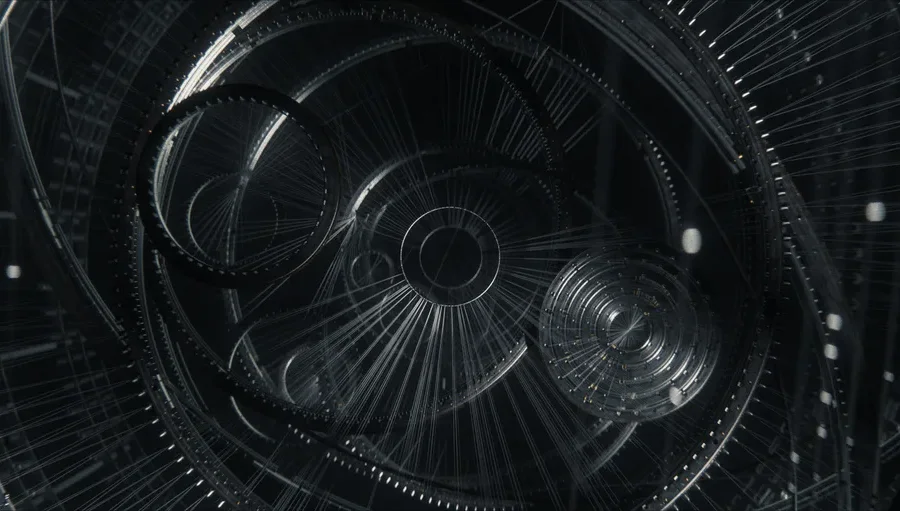
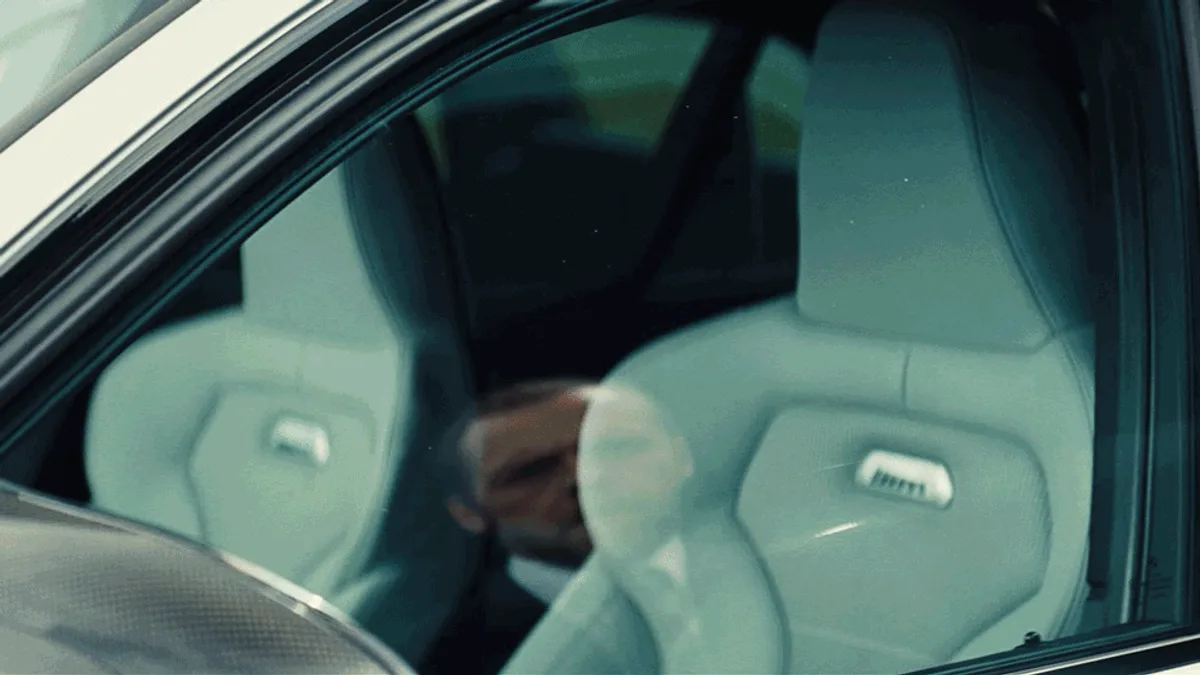
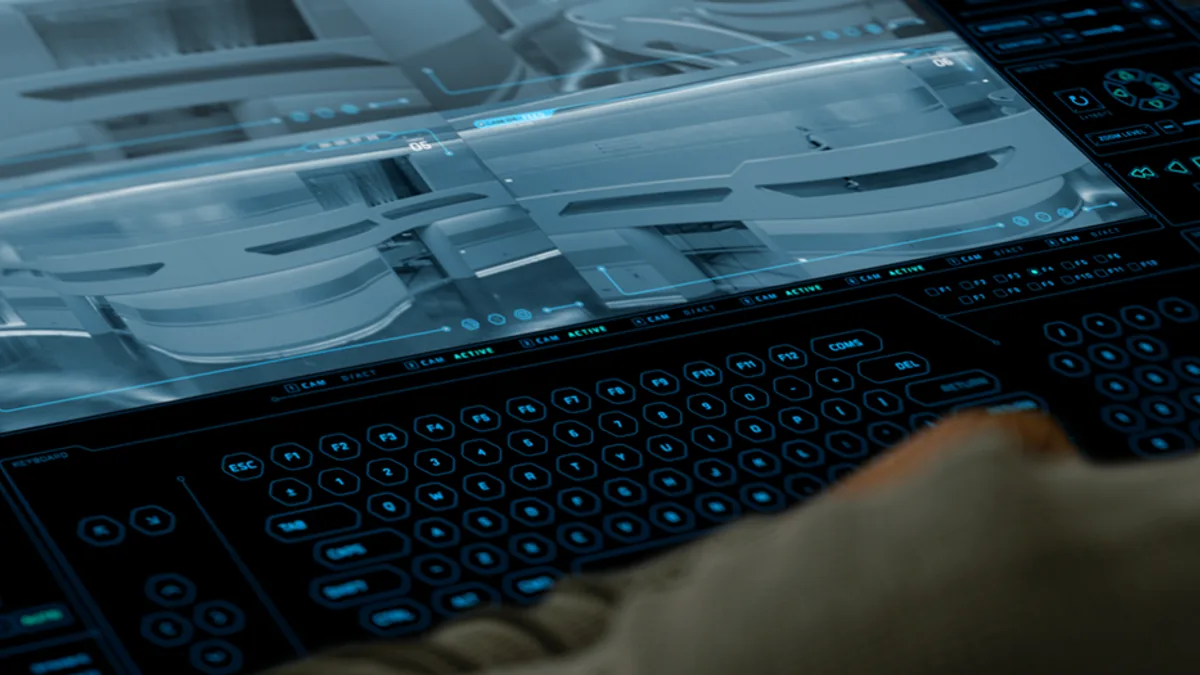
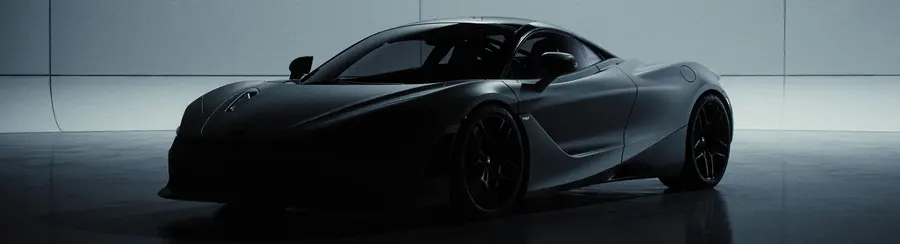
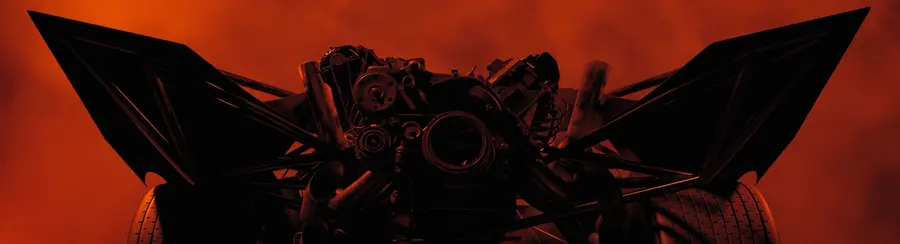
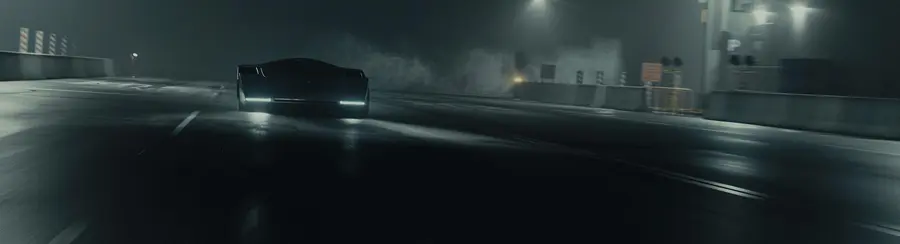
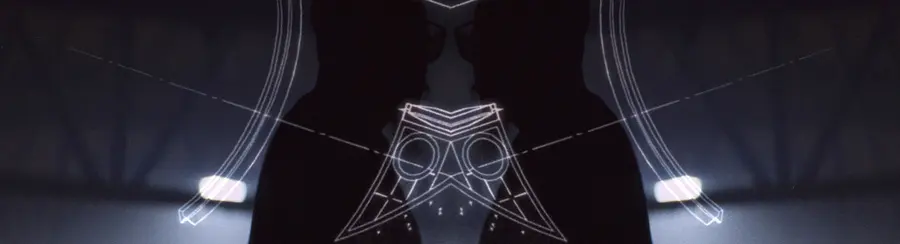
A styleframe is a single still image that establishes the visual direction of a motion design piece before any animation is produced. It fixes the colour palette, typography, lighting, composition and mood in one frame, so the look gets approved while changes still cost minutes instead of days of rendering.
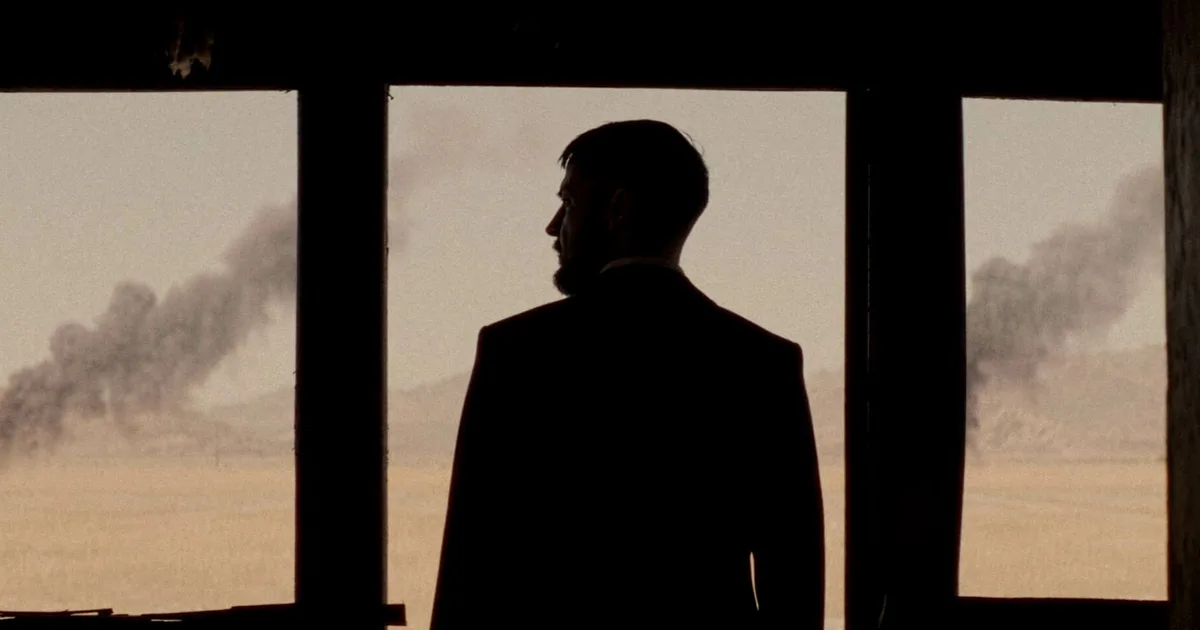
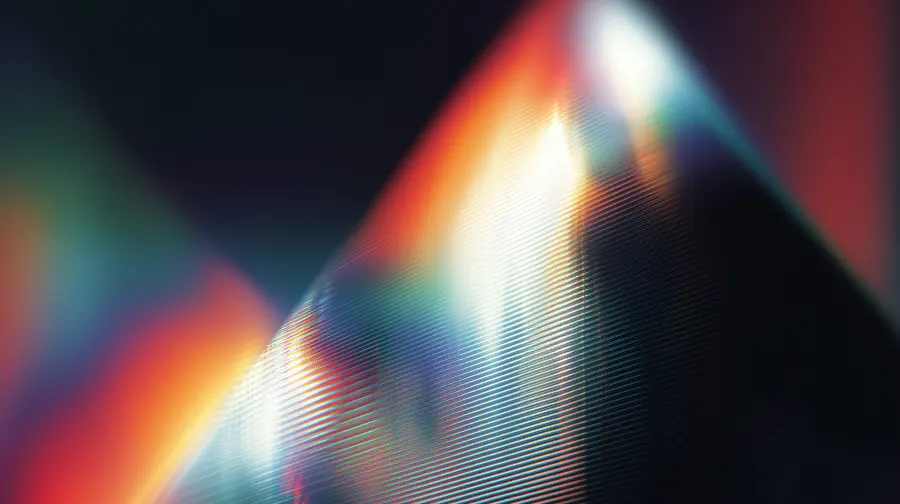
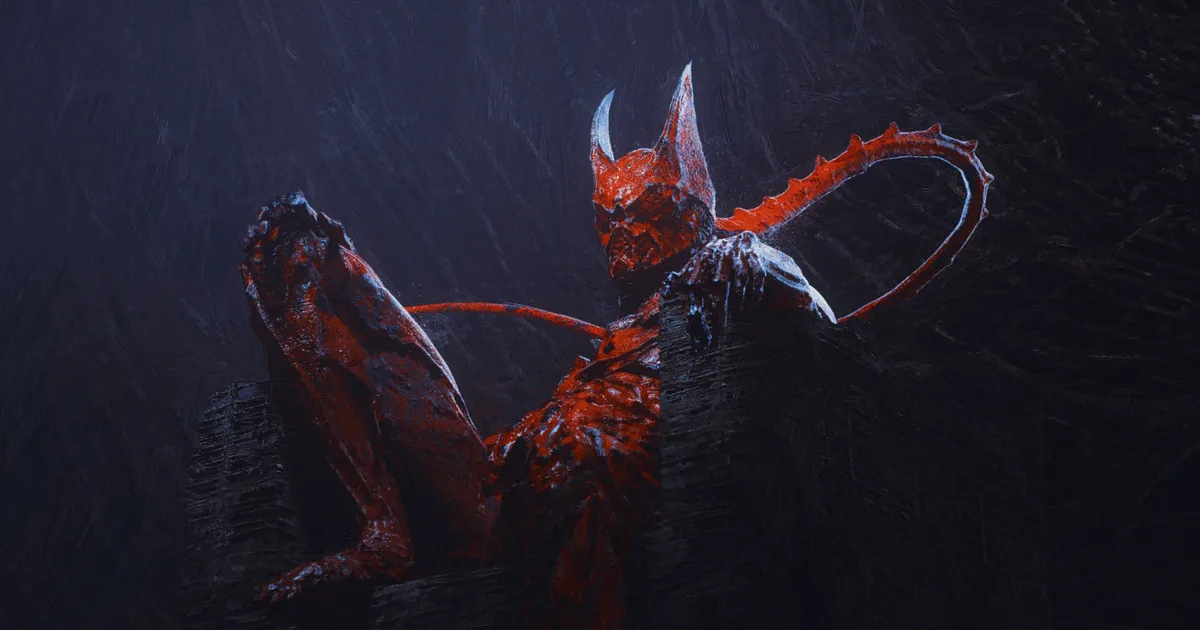
Below are 24 of them from 12 motion designers, across title sequences, broadcast packages, game cinematics, brand systems and web motion. Each links to a breakdown of how it was built. Study the value structure and composition rather than the surface: the decisions that make a film title feel expensive translate straight into interface and product work.
The gallery below is worth an hour. If you came here with a question rather than time to browse, these six cover it.
What Is a Styleframe (Style Frame)? Meaning and Process
A styleframe, or style frame, is the one still that locks a...
Styleframe Examples: What Great Ones Have in Common
Styleframe examples worth studying, and the shared traits that separate a frame...
Styleframe Animation: From Approved Still Into Motion
A styleframe is approved and now it has to move. What an...
Styleframe AI: Where Generated Frames Help and Fail
AI reaches a styleframe faster than you can, then stalls. Where generated...
Styleframe vs Mood Board: How They Differ and When to Use
Styleframe vs mood board explained: what each one is, how they differ,...
From Styleframe to Working UI: The Designer Pipeline
How motion designers move work from a single styleframe through animatics into...
These three get used interchangeably and they answer different questions. A storyboard settles what happens. A moodboard collects references someone else made. A styleframe is the only one of the three that commits to how the finished work will actually look, in your own execution.
| Artefact | Answers | Fidelity | Made from |
|---|---|---|---|
| Storyboard | What happens, in what order | Rough sketch | Your drawings |
| Moodboard | What feeling we are aiming at | Collected images | Other people's work |
| Styleframe | What the finished frame looks like | Final quality | Your own render |
Five things, and a frame missing any of them tends to get sent back: colour palette, type treatment, lighting and depth, composition, and the recurring graphic device that will carry through the piece. The frame is rendered to final quality on purpose. Its whole job is to be judged as the finished look rather than as a sketch of one, which is also why a rough styleframe is worse than none: it invites notes on the wrong things.
Two or three for a short spot, usually the opening, a mid-point and the end card. Longer pieces need one per distinct visual section rather than one per scene, because the count is driven by how often the look genuinely changes, not by runtime. If every scene needs its own styleframe, the problem is normally that the art direction has not settled yet.