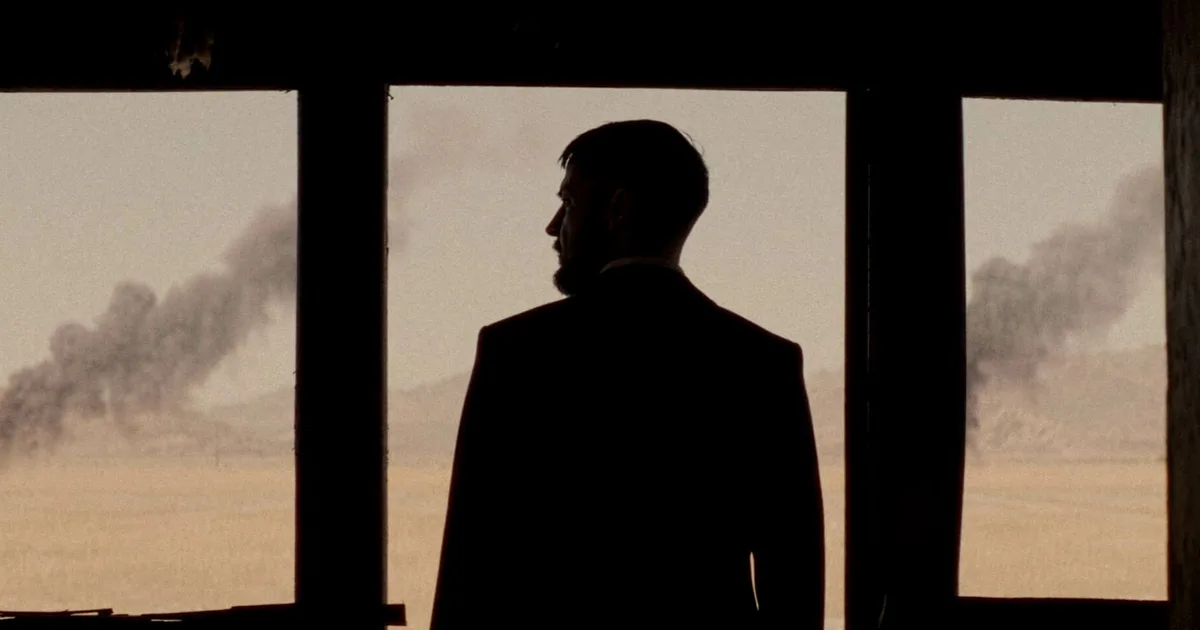
Destiny's opening cinematic had a strange brief: introduce a ten-year game universe through its quietest possible moment, three astronauts walking through Martian rain toward something enormous. Prologue's directors, Ilya Abulkhanov and Simon Clowes, shot it with live-action pacing rather than game-trailer pacing, and the difference is the whole lesson.
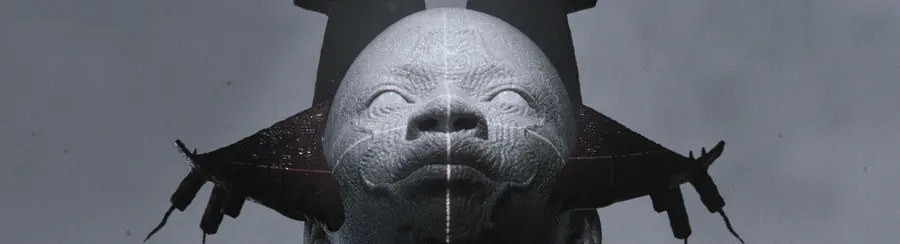
Game cinematics usually escalate. This one withholds. The frames spend their budget on atmosphere, weather, scale cues, the slow reveal of the Traveler, and trust the audience to lean in. As a styleframe study, look at how much information each still carries about surface: wet suits, dust turning to mud, light struggling through storm. Texture is doing the storytelling that dialogue is not.
The published toolset is unusually well documented because the directors discussed it in a Motionographer Q&A: Nuke and After Effects for compositing, DaVinci Resolve for grade, Illustrator in the design phase. Stash's coverage adds the outside vendors, Activision's capture studio for motion capture and Fusion CI for fluid effects. That is a real production stack, listed here because the sources actually name it, which is rarer than it should be in credits reporting.
Client-side, Bungie's Christopher Barrett led creative direction with story by Joe Staten. The image above is illustrative; the sequence itself is on the director's portfolio at the source link.
Production notes
This frame comes from a game cinematic, where the frame fixes the lighting and mood the engine later has to match. Ilya Abulkhanov produced it in 2014, and the styleframe records the look decisions made before a single second of animation existed.
It was built using Nuke for node-based compositing, After Effects for compositing and animation timing, DaVinci Resolve for production, and Illustrator for vector shapes and type design. That toolset is what gives the motion design its specific weight, from how light falls to how the type settles into the frame.
Ilya appears 3 times across the Art of Styleframe library, so the related frames below trace the through-line in this designer's craft rather than showing one isolated piece.
Look at how the frame implies motion and scale that a real-time engine then has to deliver.