Comedy title design has a counterintuitive rule: the graphics play it straight. Zoolander 2's opening prologue and main-on-end titles, designed by Prologue Films, commit fully to the aesthetics of a glossy techno-thriller, and the commitment is the joke. The film's own VFX supervisor, interviewed by The Art of VFX about the Interpol monitor graphics, credits "the talented artists at Prologue who are led by the amazing Kyle Cooper, who also did the titles."
Prologue's portfolio page for the film shows the full scope: the title sequences plus 79 visual effects shots and the diegetic screen graphics inside the movie. That combination matters for styleframe study, because the same studio designing both the titles and the in-world screens is what keeps the visual parody coherent; the fake spy interfaces and the title typography share one design voice.
Credit boundaries, stated plainly. The epilogue montage of magazine covers and the marketing graphics were separate work by Territory Studio, with its own published crew, and are not part of Prologue's titles credit. And this library previously framed this entry around the theatrical trailer; no source establishes who made the trailer's graphics, so the entry now covers the verified work, the title sequences, and nothing else.
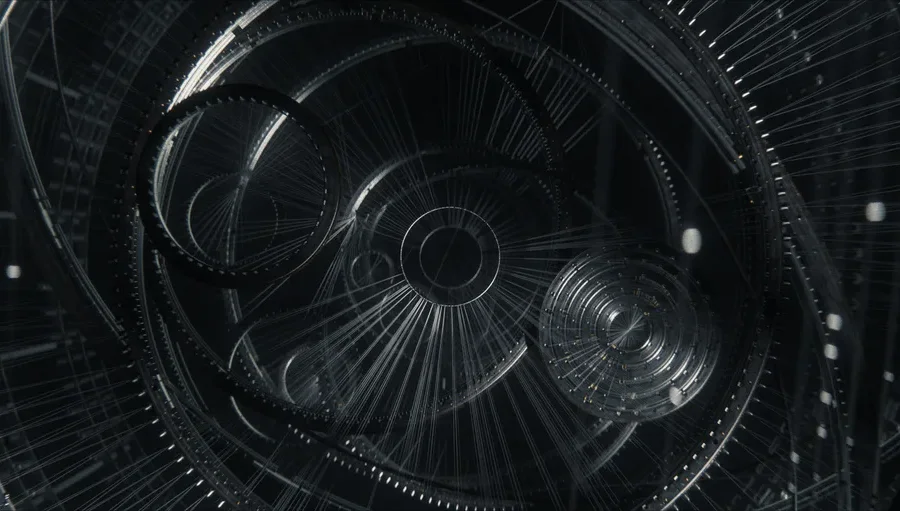
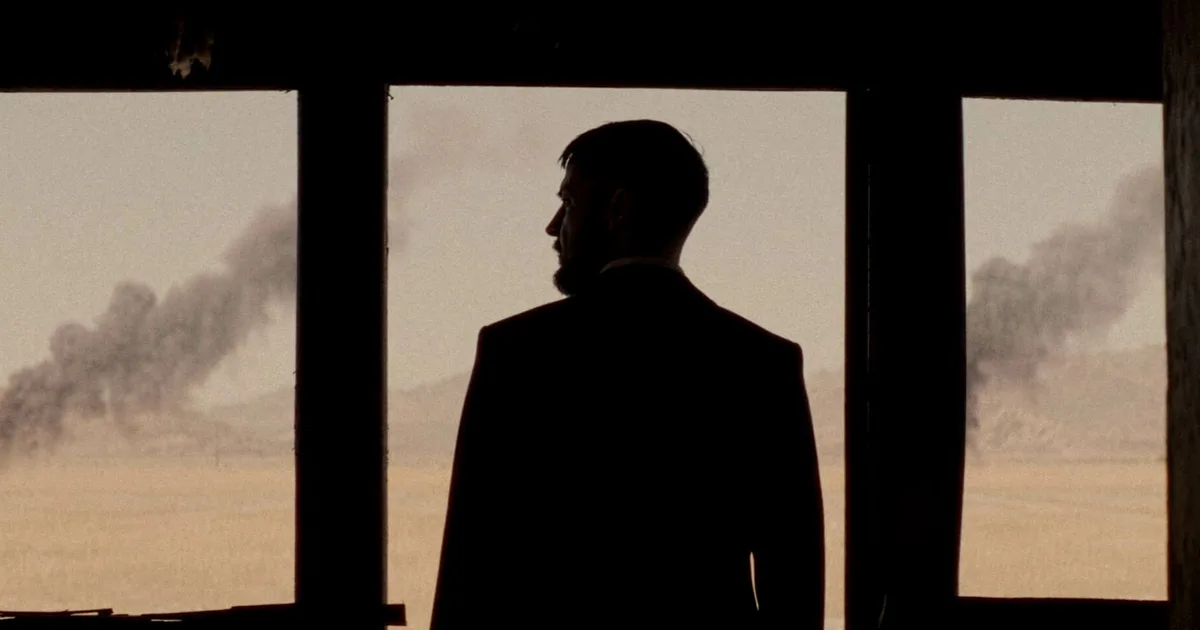
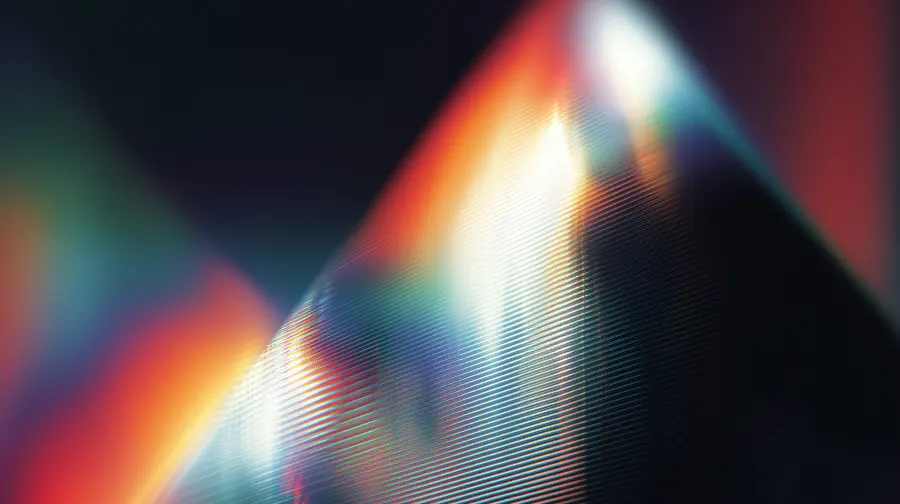
The image above is illustrative; the sequences are on Prologue's portfolio page at the source link.
Production notes
This frame comes from a title sequence, where pacing and typographic rhythm carry the opening before any dialogue lands. Prologue Films produced it in 2016, and the styleframe records the look decisions made before a single second of animation existed.
Follow the attribution link above to see this work in its original context on Prologue Films's own portfolio.
Look at how negative space and type pacing set an expectation the rest of the sequence pays off.