Sledgehammer is a music video doing a film's promotional work: a Star Trek Beyond tie-in that had to feel like it belonged to that universe without being a trailer. Director Floria Sigismondi, whose videos have always sat closer to fine art than to promo convention, shot it as the first music video made entirely with IMAX cameras, and Mill+ in Los Angeles carried the design and visual effects, with Ilya Abulkhanov as creative director at The Mill.
The frames run on a single idea, escalation of scale. Rihanna as a solitary figure on an alien desert, telekinetic power visualized as particulate matter rising from the ground, and the finale expanding to planetary distance. For styleframe study, watch how the palette stays nearly monochrome so that scale can be the drama. When your composition's job is to make one figure feel enormous, color variety is a distraction; contrast of size is the entire message.
There is a preservation lesson attached to this entry, too. The Mill's own credit page for the project no longer exists, the studio's archive went dark after its 2024 closure, so verification leaned on the participants' portfolios. Studios die and their archives die with them; artists' own project pages are often the most durable record of who made what. That is exactly why every entry in this library now links a source page for its claims.
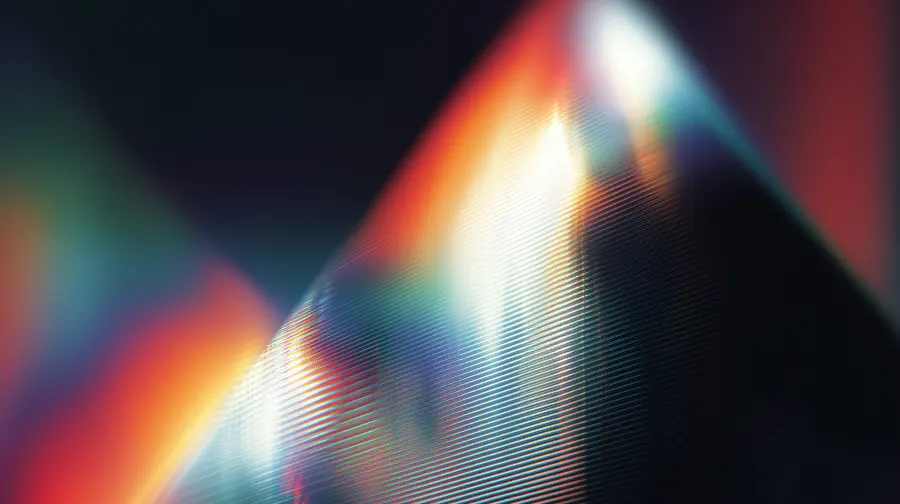
The image above is illustrative; the work itself is at the source link.
Production notes
This frame comes from a brand-motion piece, where the styleframe locks the color language and spatial logic of the spot. Ilya Abulkhanov produced it in 2016, and the styleframe records the look decisions made before a single second of animation existed.
Ilya appears 3 times across the Art of Styleframe library, so the related frames below trace the through-line in this designer's craft rather than showing one isolated piece.
Look at how a single restrained palette does more work here than any amount of added detail would.