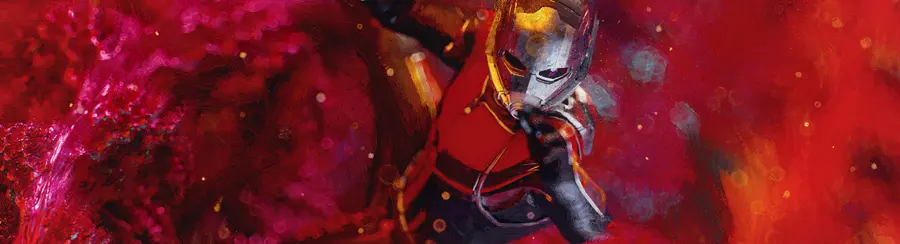
The RocknRolla titles are a lesson in choosing a technique the film can own. Prologue's team, led by Danny Yount, built the sequence from a hand-drawn stencil alphabet, spray-painted letter by letter and photographed in stop motion, with comic-book character illustrations by Chris Sanchez set against London landmarks. Nothing about that process is efficient. Everything about it belongs to a Guy Ritchie crime picture.
The styleframe insight is in the texture budget. Digital type can imitate a stencil in one filter pass, and it always reads as an imitation. Shooting real paint means every frame carries accidents: overspray, bleed, registration drift. Those accidents are the style. A frame from this sequence holds up as a still because its grit is physical, not procedural.
There is also a career throughline worth knowing. Yount went on to lead Prologue's titles for Ritchie's Sherlock Holmes the following year, and the sensibility connects: typography treated as an object in the world rather than an overlay on top of it. For a designer building styleframes, that is the transferable move. Decide where your type physically lives, in the scene, on a surface, under the light, before deciding what it looks like.
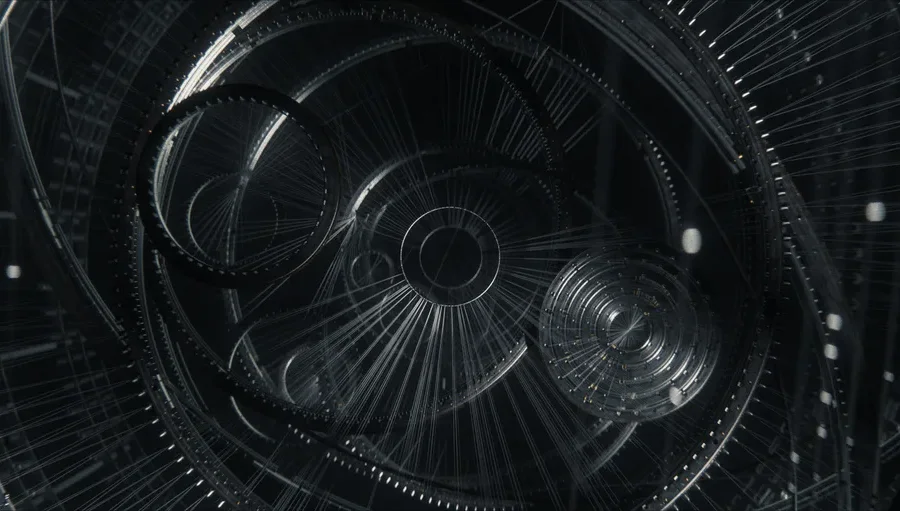
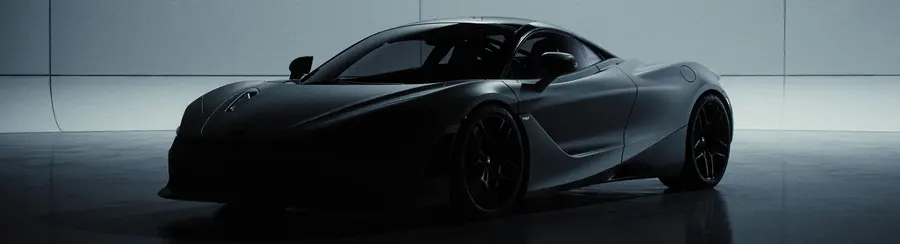
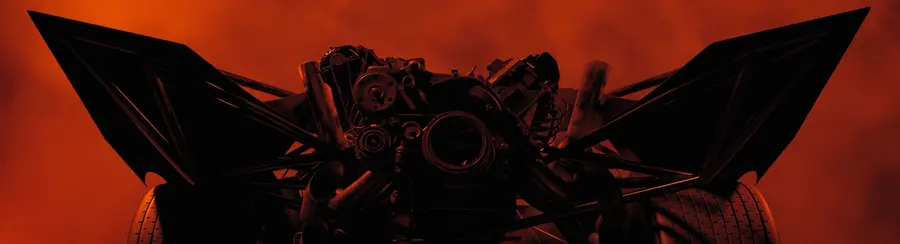
Credits here follow Motionographer's published 2008 list: design and animation by Danny Yount, Ilya Abulkhanov and Alex Hanson, illustration by Chris Sanchez, film compositing by Anthony Mabin, executive producer Ian Dawson. The image above is illustrative; the sequence itself is on Prologue's portfolio page at the source link.
Production notes
This frame comes from a title sequence, where pacing and typographic rhythm carry the opening before any dialogue lands. Danny Yount produced it in 2008, and the styleframe records the look decisions made before a single second of animation existed.
Follow the attribution link above to see this work in its original context on Danny Yount's own portfolio.
Look at how negative space and type pacing set an expectation the rest of the sequence pays off.