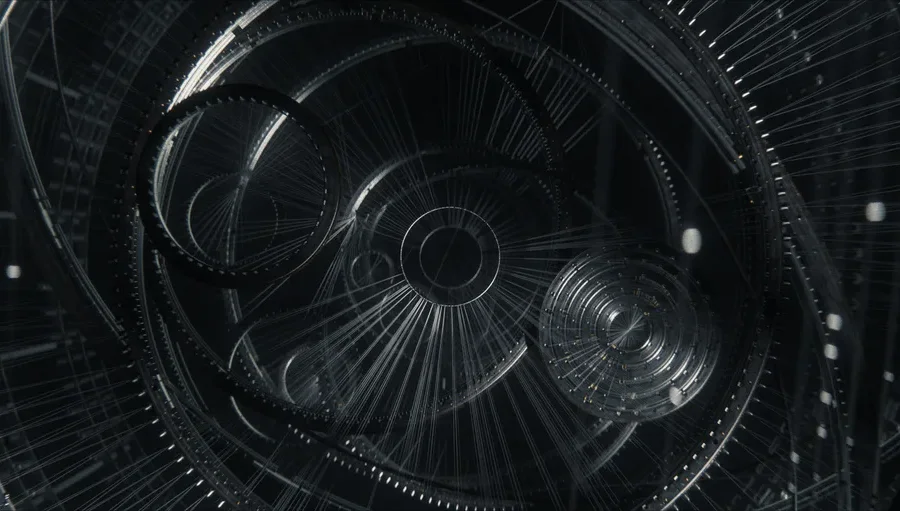
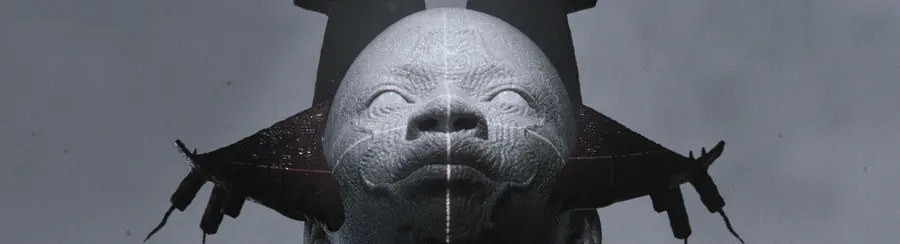
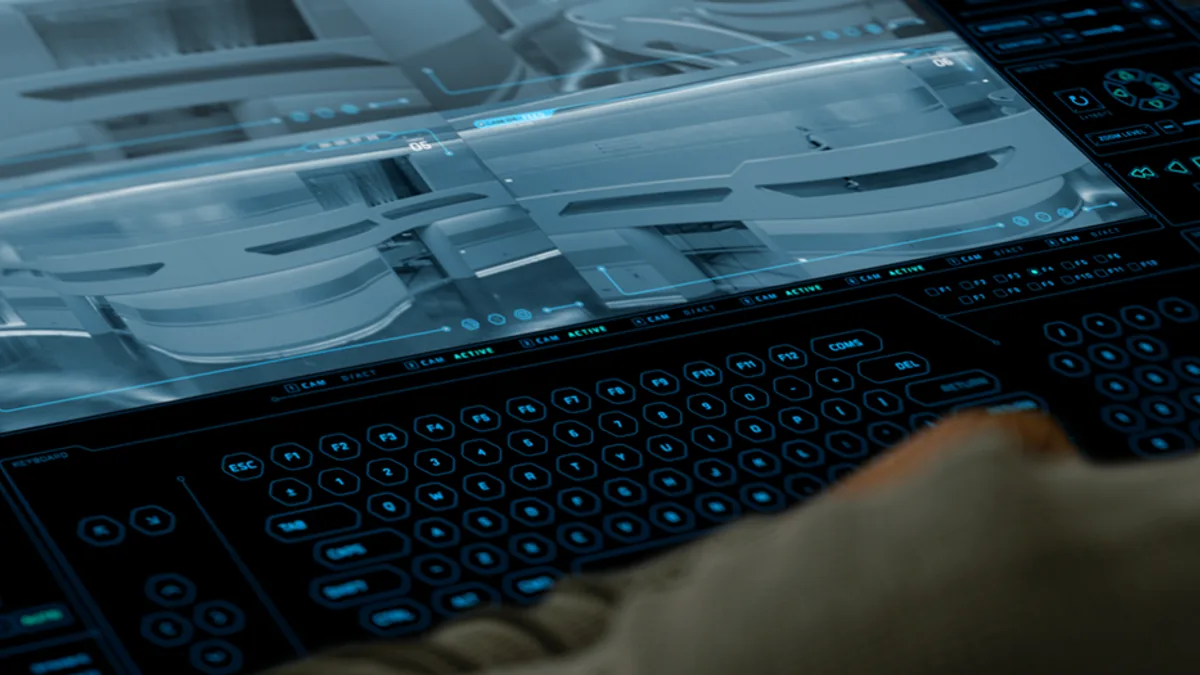
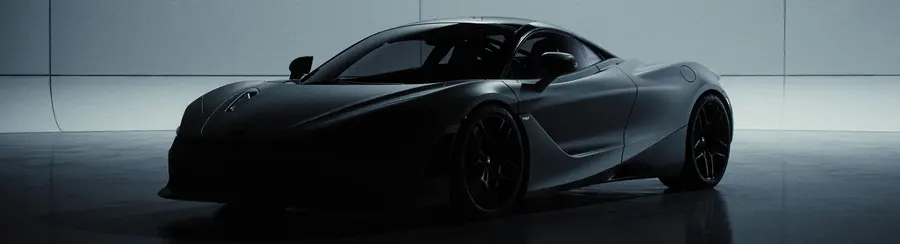
Web art direction asks a different question than broadcast does. It's not just how does this frame look, it's how does this frame behave in a browser. Gryun Kim, the featured artist for 2016, works right at that intersection, which is why the selection earned a Featured Art Director spot rather than a single-discipline credit.
The tool mix tells you how she got there. Cinema 4D brings dimensional depth to layouts that could easily stay flat, Photoshop handles art direction and surface, and After Effects turns static composition into motion that has to load, respond, and degrade gracefully on the web. Balancing 3D richness against web performance is a constant negotiation, and the restraint in these frames reads as someone who understands the trade.
What a learner should take away is the art-director mindset over the animator one. Before worrying about easing curves, Kim is deciding tone, palette, and where the eye rests. Does the frame communicate its intent with motion switched off? For web work, it has to. Composition first, animation second. The order matters more than the software.
Gryun Kim's selected works reward a slow look, because the craft is in the transitions you have to imagine between stills. A good styleframe implies motion it never shows, and these do exactly that, each frame poised on the edge of a move. That anticipation is a real design tool. A button that looks like it wants to be pressed, a card that reads as tappable before you touch it, both borrow this trick. Static work can suggest interaction. Study how Kim loads a frame with potential energy and you will start designing interfaces that feel alive while sitting perfectly still.
Production notes
This frame comes from a web and interface study, where motion stays legible at small sizes and short durations. Gryun Kim produced it in 2016, and the styleframe records the look decisions made before a single second of animation existed.
It was built using Cinema 4D for building the 3D scene, After Effects for compositing and animation timing, and Photoshop for matte painting and texture work. That toolset is what gives the motion design its specific weight, from how light falls to how the type settles into the frame.
Follow the attribution link above to see this work in its original context on Gryun Kim's own portfolio.
Look at how the motion is engineered to stay readable inside a loop only a few seconds long.