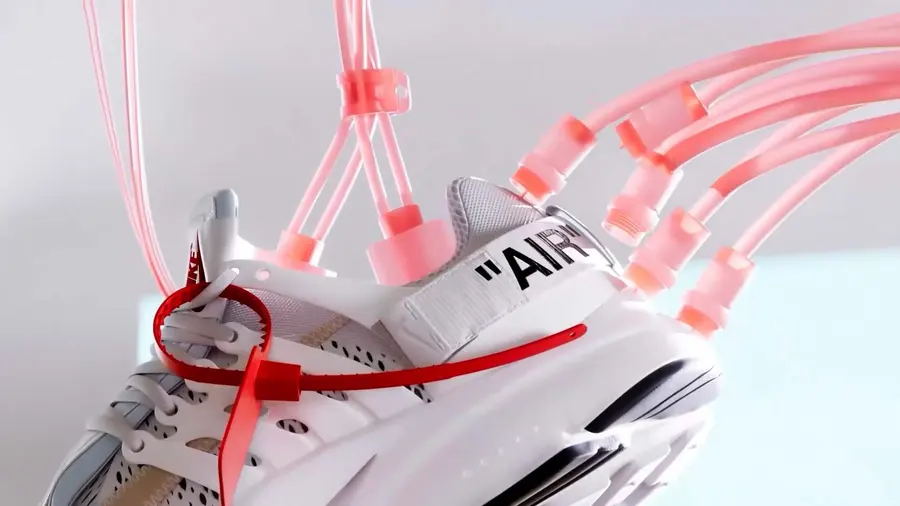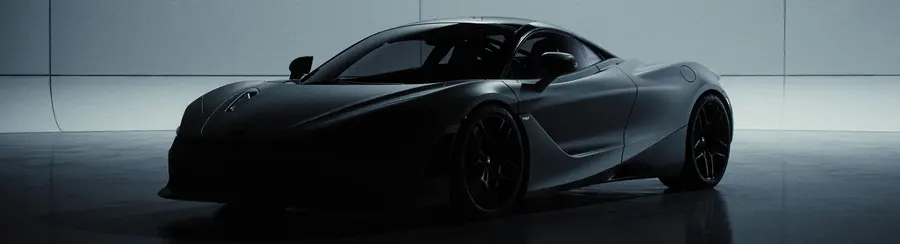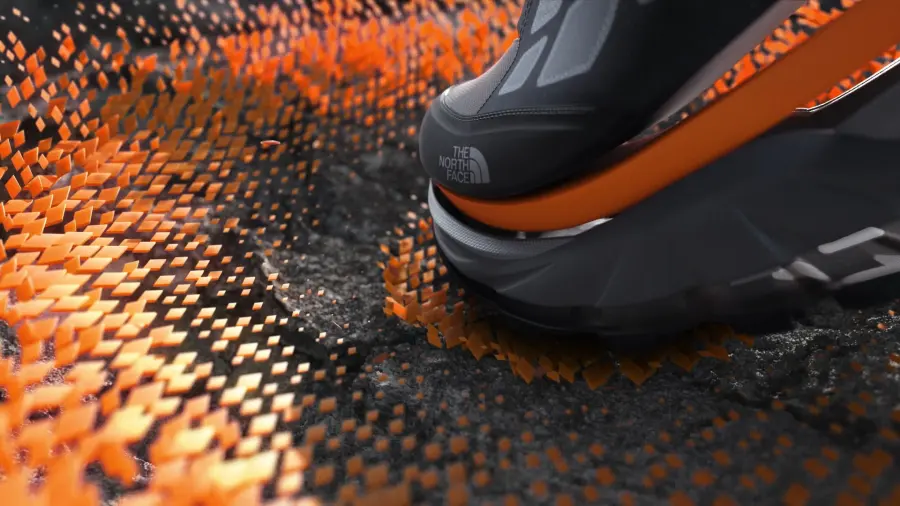
This landscape-driven spot pairs live action with motion graphic overlays, and the styleframe-to-final-frame transition is nearly invisible. That's the whole point. When the concept frame and the shipped frame match this closely, it means the design decisions survived production instead of getting compromised on the timeline.
Combeaud built the overlays in After Effects on top of Cinema 4D elements, and the restraint is what makes it work. Graphics on real terrain footage usually fight the landscape. Here they sit inside it. The type respects the horizon line, the color pulls from the plate rather than clashing with it, and nothing floats where the eye doesn't want it.
For anyone learning brand motion, this is a study in subordination. The footage is the star. The graphic system supports the story without asking for its own applause. Try matching your styleframe to a real photographic plate sometime. You'll learn fast how much a graphic has to give up to belong in a landscape rather than sit on top of one.
Outdoor brand work has to feel earned, rugged and real rather than slick, and these frames get there through texture and restraint. No gloss for its own sake, just weight and atmosphere that match the product. That is brand-appropriate motion, and it is a judgment most teams skip. A banking app and a skate brand should not animate the same way, yet they often do, borrowing whatever easing is trendy. The North Face frames commit to a tone. Ask what your product's motion is actually saying about it. If a heavy render would feel wrong on your brand, that is useful information, not a limitation.
Production notes
This frame comes from a broadcast package, where graphics have to stay legible in motion across a whole network identity. Guillaume Combeaud produced it in 2017, and the styleframe records the look decisions made before a single second of animation existed.
It was built using Cinema 4D for building the 3D scene, Octane for GPU rendering and light response, and After Effects for compositing and animation timing. That toolset is what gives the motion design its specific weight, from how light falls to how the type settles into the frame.
Guillaume appears 2 times across the Art of Styleframe library, so the related frames below trace the through-line in this designer's craft rather than showing one isolated piece.
Look at how the package holds one identity while each element still earns its own moment on screen.