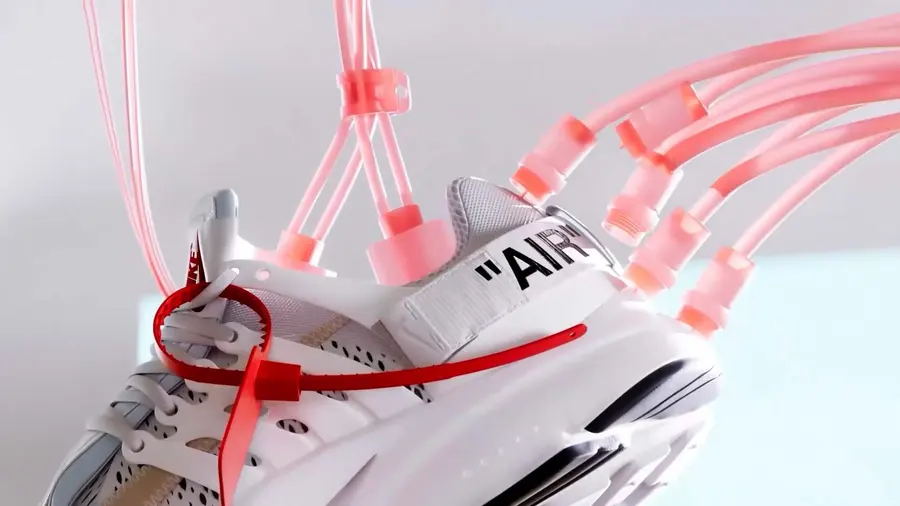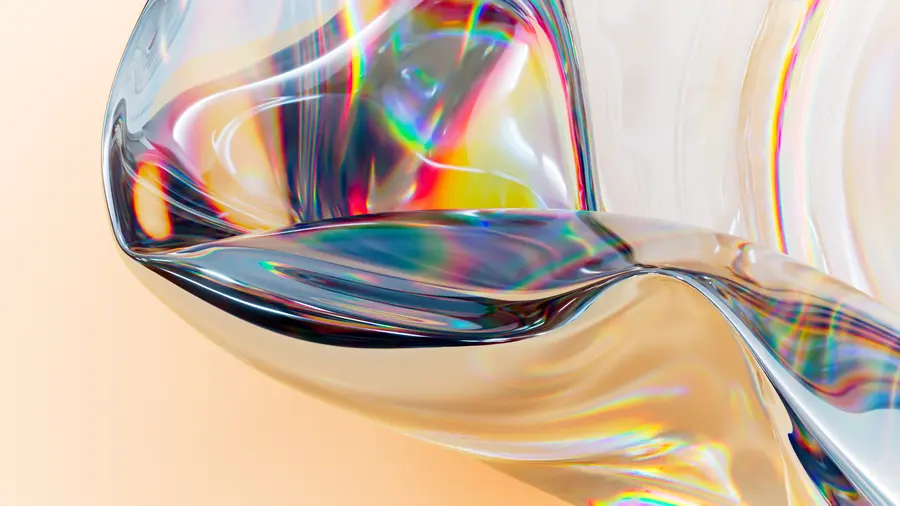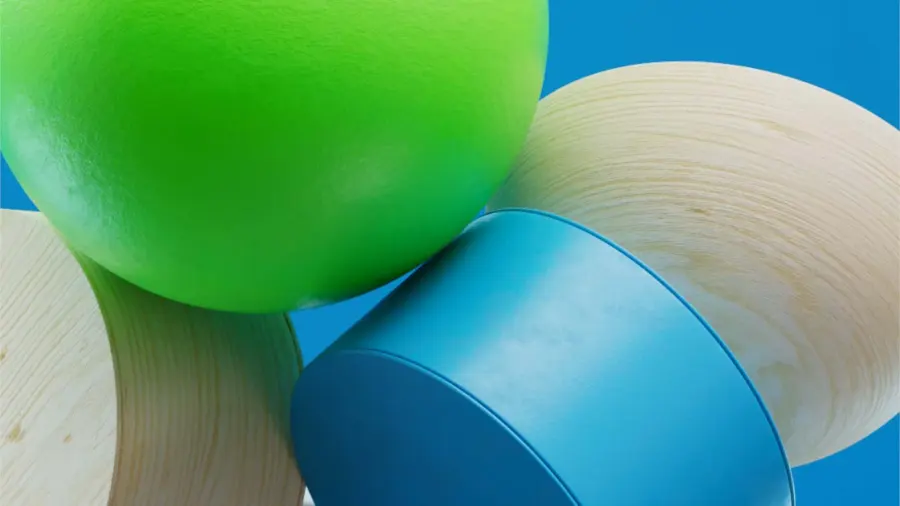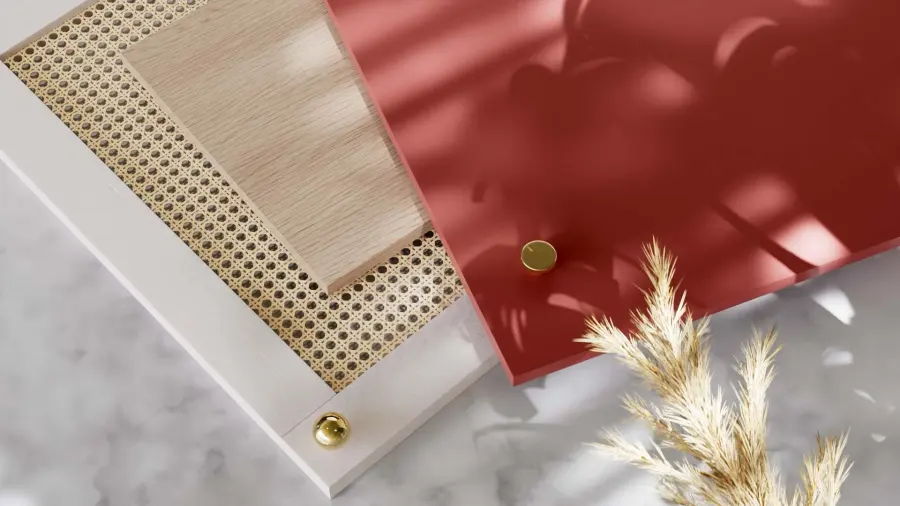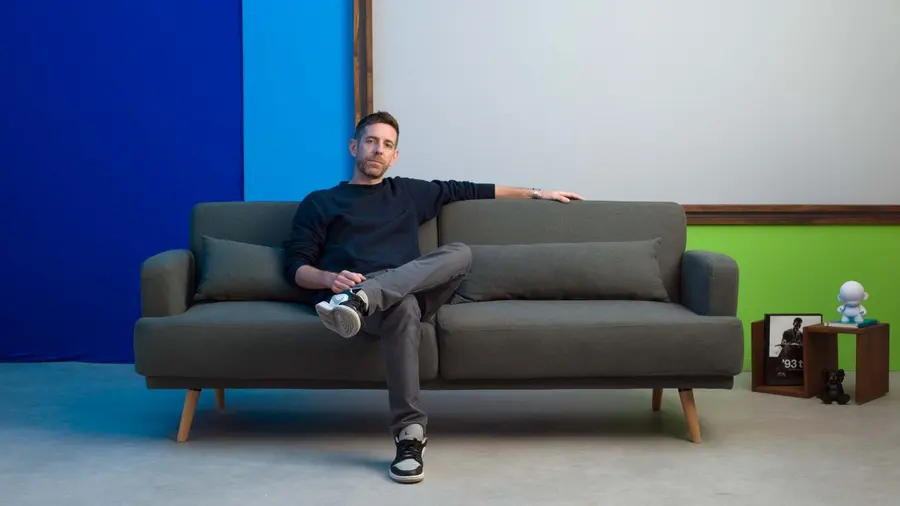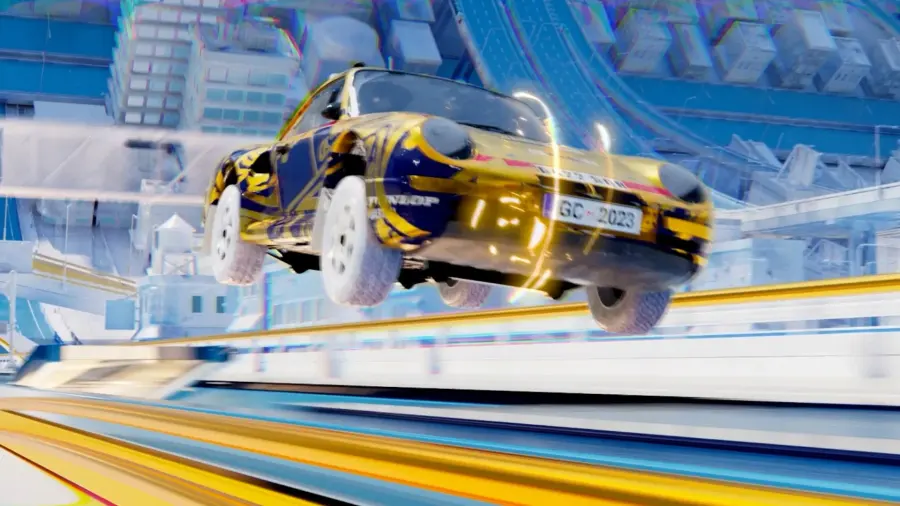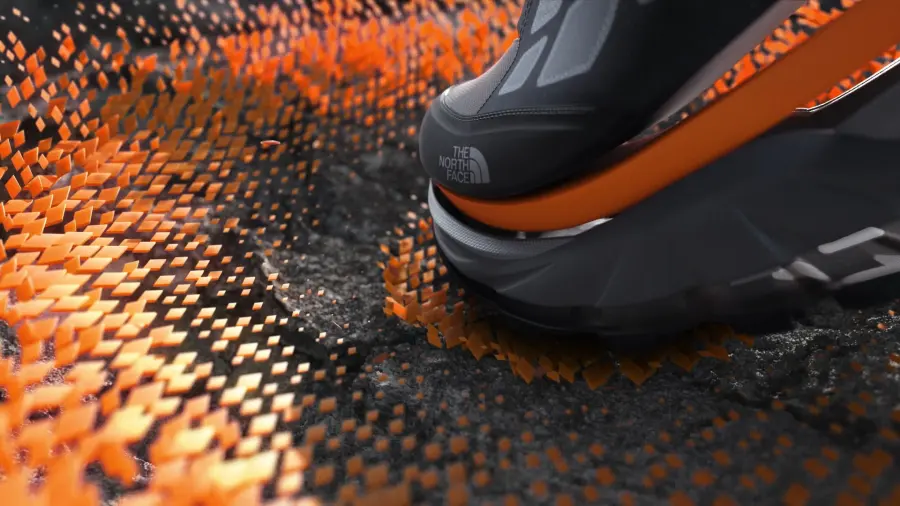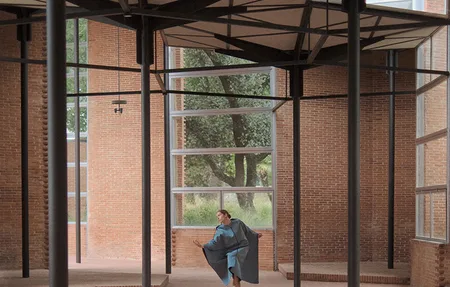
Fifteen years of brand motion compressed into one reel, and what's telling is how consistent the craft stays across Adidas, North Face, and Coca-Cola. Different clients, different palettes, same underlying discipline. That consistency is the real portfolio, not any single hero shot. The breakdown below follows that thread from client to client.
The tool list reads like a working director's kit rather than a specialist's. Cinema 4D for staging, Redshift and Octane for rendering depending on the look, After Effects for the composite and grade. Running two renderers across a career says something practical. Octane and Redshift each have a signature under certain lighting, and Combeaud picks per project instead of forcing one engine to fake the other.
A cumulative reel is also a lesson in editing your own history. What earns a spot? What gets cut? The frames selected here favor controlled contrast and clean type over spectacle, which is why press outlets like Motionographer and Stash kept returning. For a learner, the study isn't any one frame. It's the throughline. Find your own recurring instinct and defend it across years.
A directorial reel is a brutal edit of your own taste, and the frames Combeaud chose tell you what he values: light, weight, and a clean read at a glance. That last one matters most. Each still holds up as a thumbnail, which is exactly the test a good app icon or card layout has to pass. If your work only reads at full size, it does not read. Study how he front-loads contrast so the subject survives compression to a tiny frame. The same instinct keeps a dashboard legible when it collapses to a phone.
Production notes
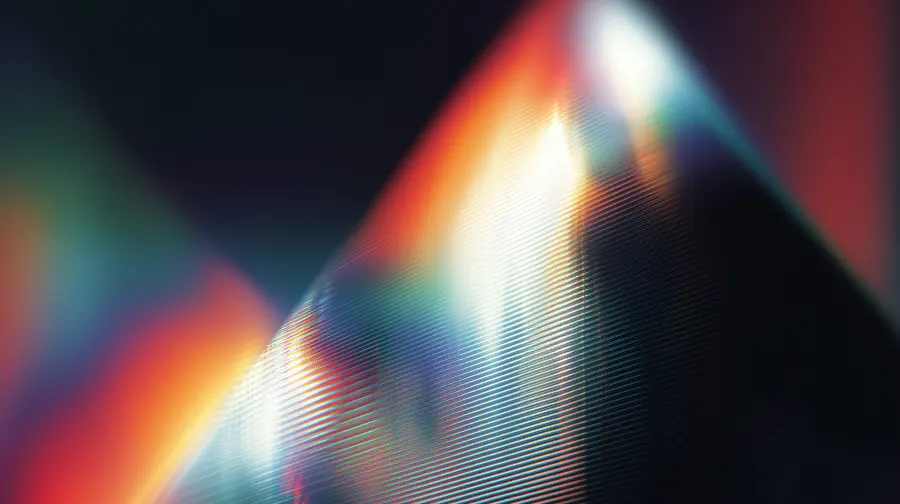
This frame comes from a brand-motion piece, where the styleframe locks the color language and spatial logic of the spot. Guillaume Combeaud produced it in 2022, and the styleframe records the look decisions made before a single second of animation existed.
It was built using Cinema 4D for building the 3D scene, Redshift for GPU rendering and material passes, Octane for GPU rendering and light response, and After Effects for compositing and animation timing. That toolset is what gives the motion design its specific weight, from how light falls to how the type settles into the frame.
Guillaume appears 2 times across the Art of Styleframe library, so the related frames below trace the through-line in this designer's craft rather than showing one isolated piece.
Look at how a single restrained palette does more work here than any amount of added detail would.