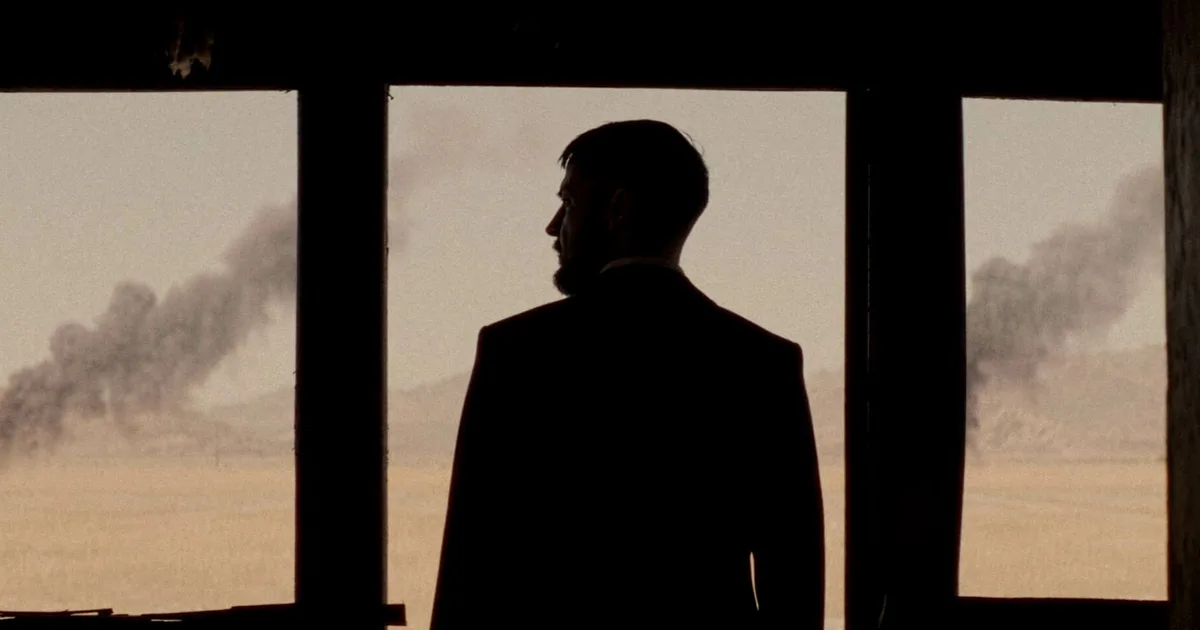
Arik's editorial brand system covers print-to-screen brand motion, and the print heritage is written all over these frames. The toolset says it plainly. After Effects and Illustrator, no 3D in sight. This is type, grid, and vector craft brought into motion, which is a different discipline from render-heavy cinematics.
Editorial motion lives or dies on typographic control. When your source is print, you inherit real hierarchy rules: baseline grids, considered leading, generous margins. Arik carries that structure onto screen instead of loosening it for animation. The result reads as a designed system, where every state feels like a page turning rather than a slide flying in.
For web and brand designers, this is the reference for taking a static identity into movement without breaking it. The Illustrator artwork stays crisp, and After Effects animates within the existing grid rather than fighting it. Study how little the motion needs to do. A clean editorial system already has rhythm built into its spacing. Your job is to reveal that rhythm through timing, not to bolt on transitions that distract from the type. Restraint is the style here.
Weiss Arik's web system frames are the closest thing here to a shipping product, motion designed for the browser, on a budget, at scale. The constraint sharpens everything. Every animation earns its bytes, every transition has a job. That is the discipline interface designers actually need, not the freedom of a render farm but the pressure of a performance budget. Beauty that loads fast. Study how much character survives the jump from cinematic freedom to web reality; the good ideas make it, the indulgent ones do not. That filter, does it survive the browser, is the one worth applying to all your motion.
Production notes
This frame comes from a web and interface study, where motion stays legible at small sizes and short durations. Weiss Arik produced it in 2020, and the styleframe records the look decisions made before a single second of animation existed.
It was built using After Effects for compositing and animation timing and Illustrator for vector shapes and type design. That toolset is what gives the motion design its specific weight, from how light falls to how the type settles into the frame.
Follow the attribution link above to see this work in its original context on Weiss Arik's own portfolio.
Look at how the motion is engineered to stay readable inside a loop only a few seconds long.