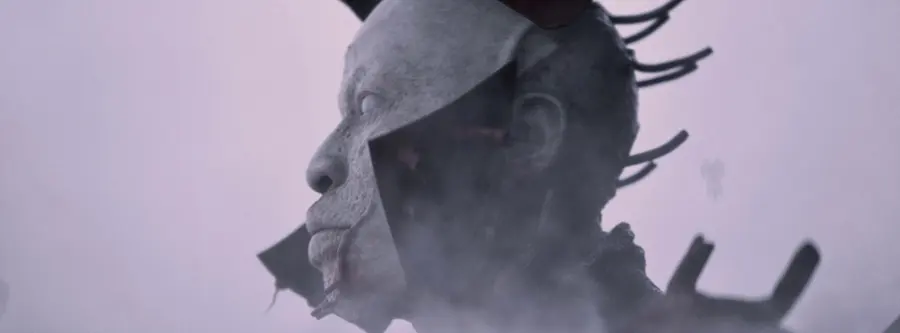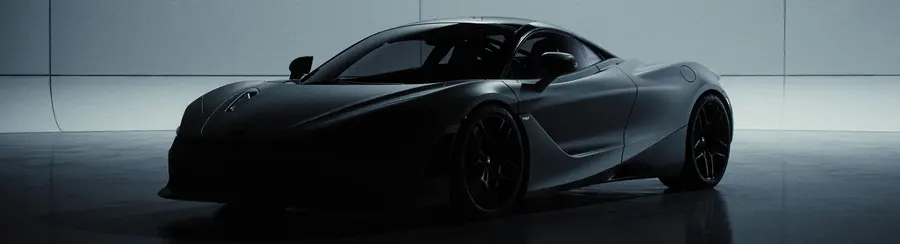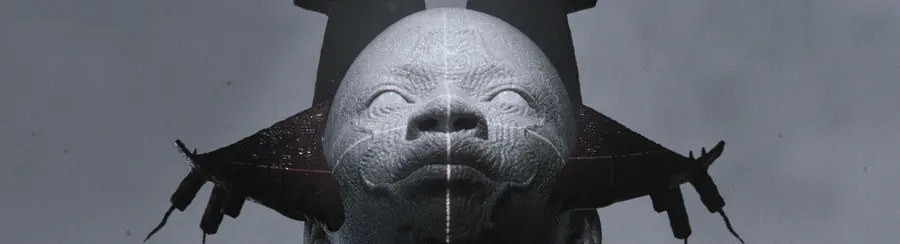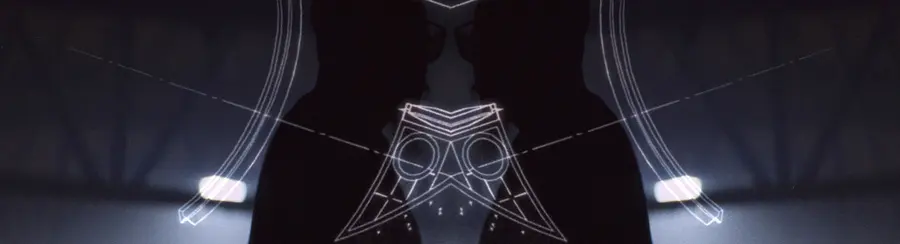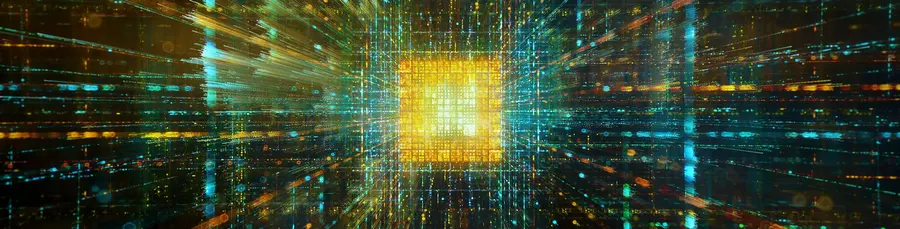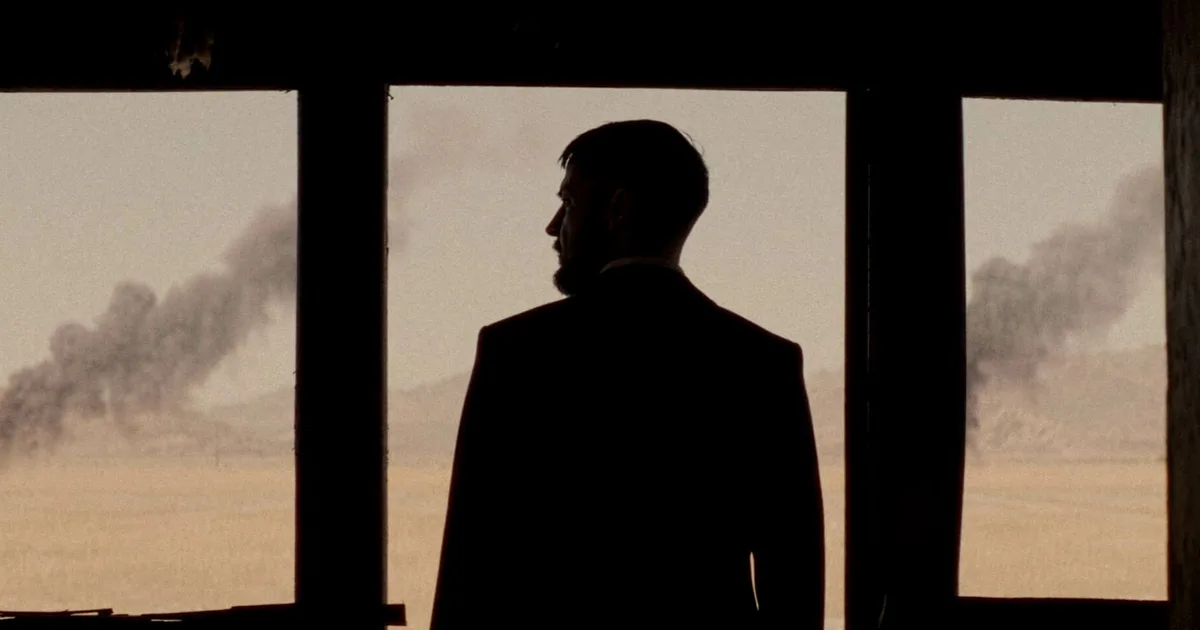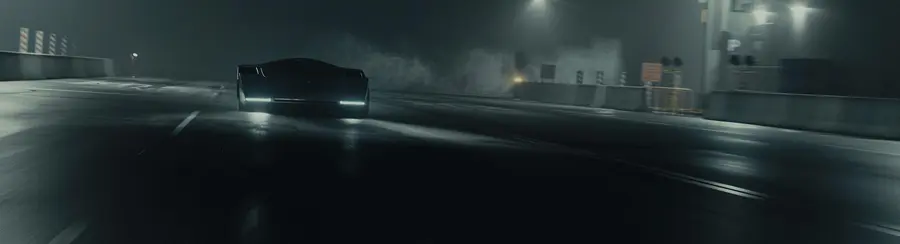
This Evinetta brand spot uses long-take cinematography with motion graphic overlays, and depth of field carries the hierarchy from frame to frame. In a continuous shot you can't cut to redirect attention, so focus does that job instead. Rack the plane, and the important element sharpens while the rest melts back. The edit happens inside the lens.
Thorp built this in Cinema 4D with Octane, and Octane's optical accuracy is the reason the focus falloff feels like a real camera. That believability lets the overlay type live at a specific depth in the scene rather than floating on a flat plane. After Effects handles the final graphic integration, matched to wherever the focus wants your eye.
For automotive and long-take work, this is a smart reference. When you commit to one unbroken move, every hierarchy decision moves into depth, contrast, and timing. There's no montage to save you. Practice storyboarding a shot with no cuts and see how much you can guide a viewer with focus alone. It forces cleaner thinking than a fast edit ever will, and the result feels more premium.
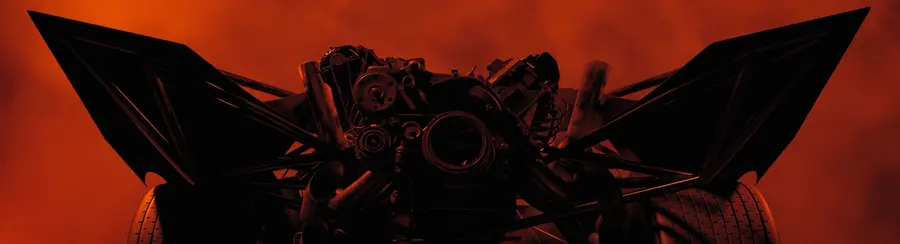
Concept-vehicle frames like these are really exercises in believable surface, making an object that does not exist feel like it could be photographed. Thorp sells it through consistent light and material logic, not detail. That is the same trust problem a product interface faces: users believe a screen that behaves coherently and distrust one that does not, no matter how polished the pixels. Consistency reads as real. Watch how every reflection here agrees with a single light source; break that agreement and the illusion dies instantly. Your interface has the same fragile contract. One inconsistent interaction and the whole thing feels fake.
Production notes
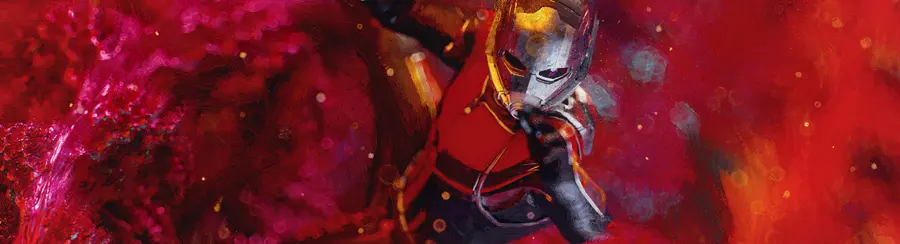
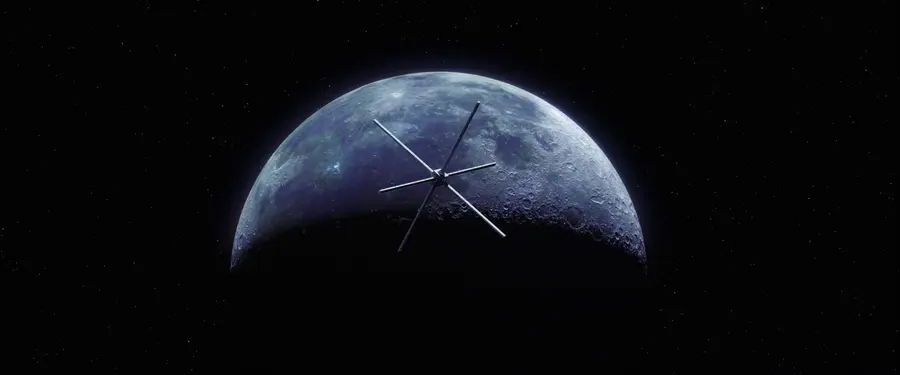
This frame comes from a commercial project, where a single frame has to sell the tone of the finished film. Ash Thorp produced it in 2020, and the styleframe records the look decisions made before a single second of animation existed.
It was built using Cinema 4D for building the 3D scene, Octane for GPU rendering and light response, and After Effects for compositing and animation timing. That toolset is what gives the motion design its specific weight, from how light falls to how the type settles into the frame.
Ash appears 8 times across the Art of Styleframe library, so the related frames below trace the through-line in this designer's craft rather than showing one isolated piece.
Look at how one frame compresses the whole tone of the spot into a still you can read in a second.