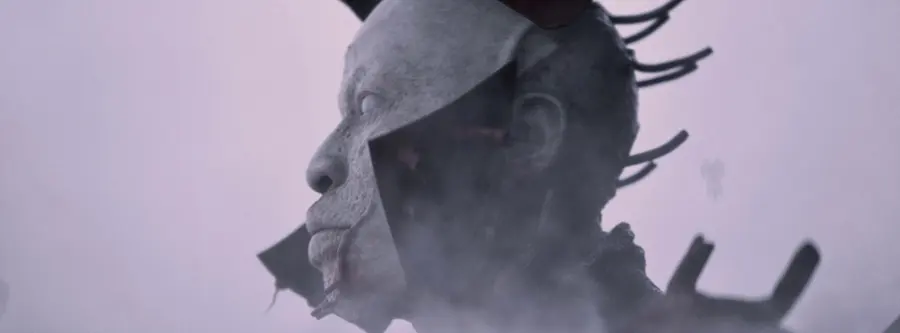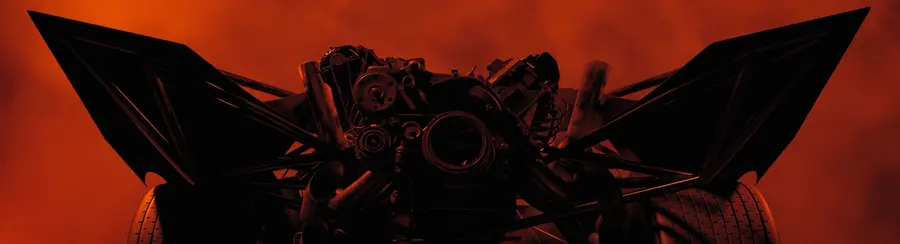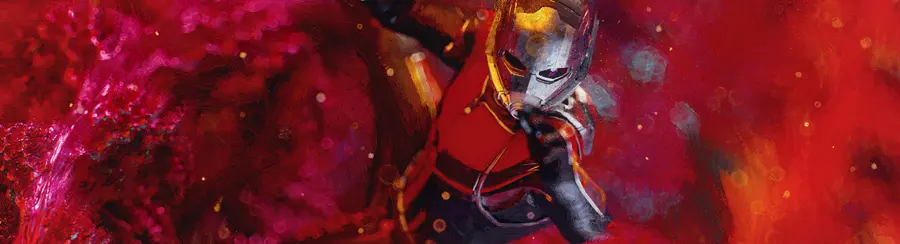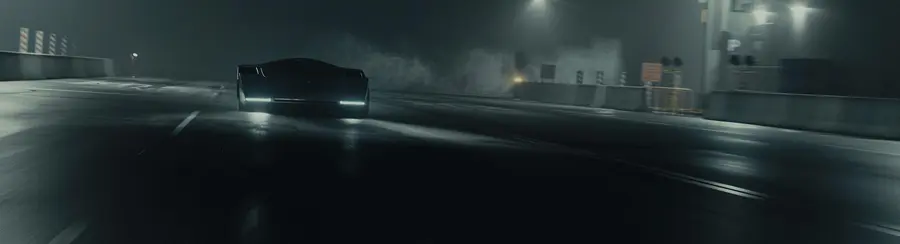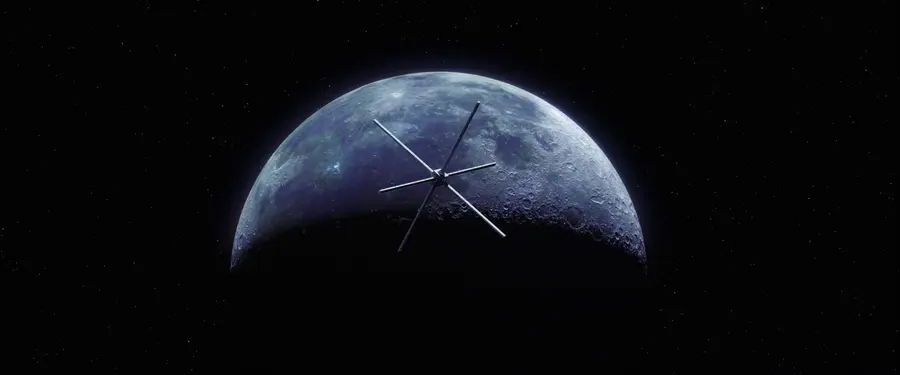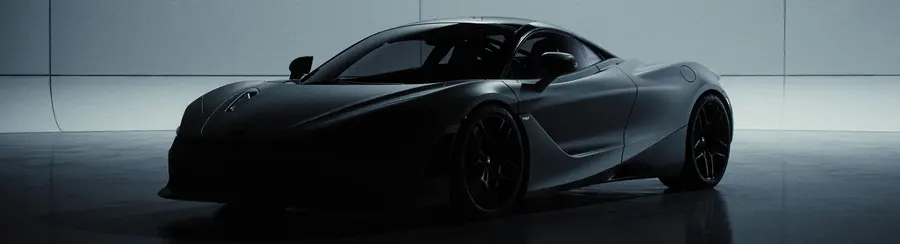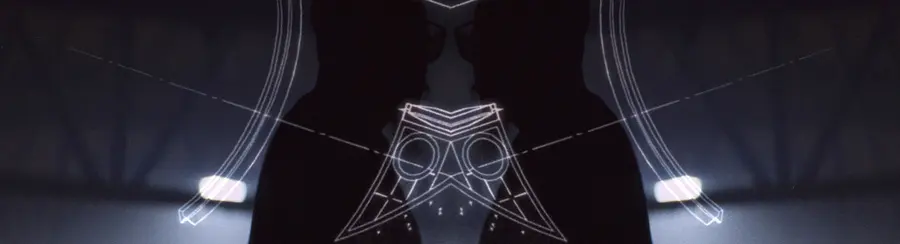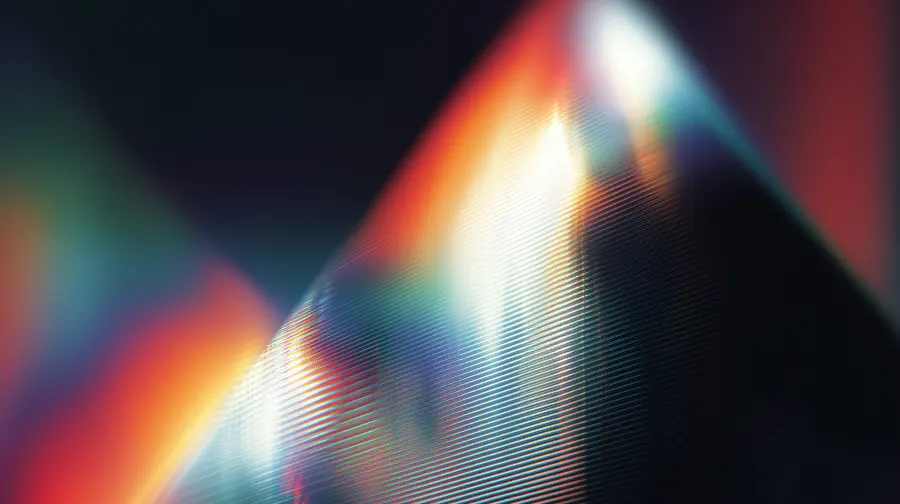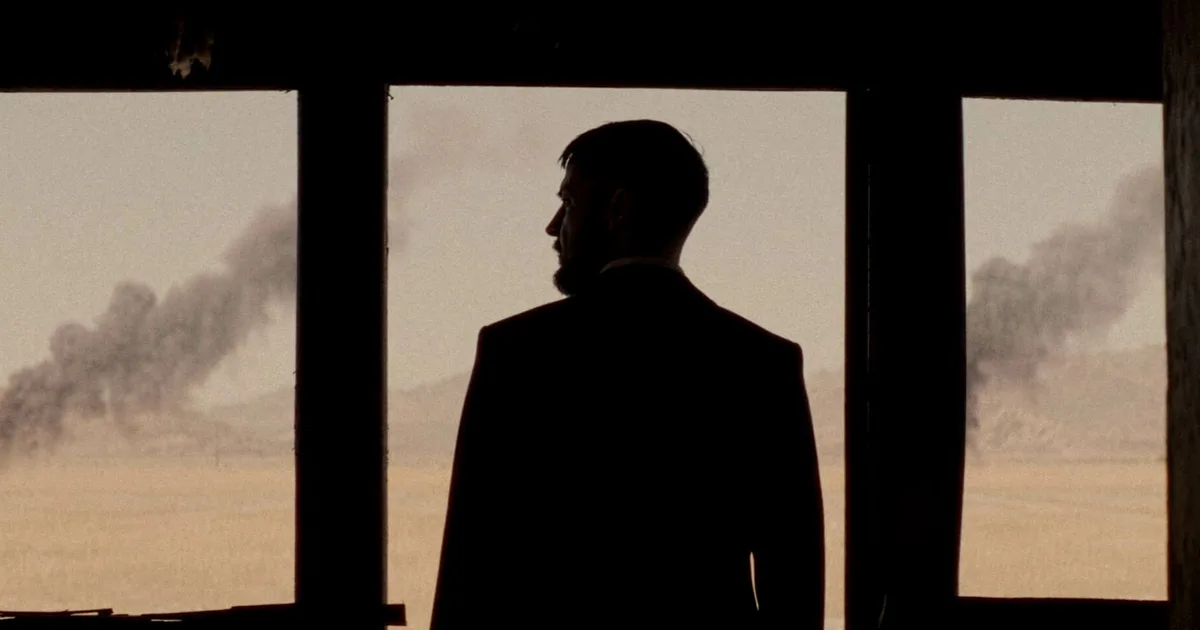
Thorp builds hierarchy with focus, not size. In this Chimera frame the sharpest element is the anchor, and everything softer reads as context. It's a photographer's instinct applied to a fully constructed image, and it makes the composition legible before you've consciously looked at anything.
The workflow behind it matters. Cinema 4D sets the scene and camera, but Thorp is famous for finishing in Photoshop, painting over renders to control exactly where the sharpness lives. That hybrid approach means depth-of-field isn't just a lens setting baked at render time. It's an art direction choice tuned by hand, frame by frame. After Effects then handles the temporal side, so the focus rack you imagine in motion is already implied by the still.
Here's the honest takeaway for a learner. Blur is a hierarchy tool, not a garnish. If you find yourself adding depth-of-field for mood alone, you're missing the point. Decide what the viewer must see first, sharpen that, and let the rest fall away. Restraint reads as confidence.
What makes Thorp worth studying is how much he says with texture alone. No hard edges shouting for attention, just grain, atmosphere, and a controlled roll-off from light to dark. It reads as expensive because it reads as considered. Translate that to interface work and it becomes the argument for subtle depth: a faint gradient, a soft shadow, a hint of noise on a flat surface. Overdo any of them and the screen turns muddy, the same failure mode as an over-graded cinematic. Restraint is the skill. Thorp has more of it than almost anyone in the field.
Production notes
This frame comes from a game cinematic, where the frame fixes the lighting and mood the engine later has to match. Ash Thorp produced it in 2018, and the styleframe records the look decisions made before a single second of animation existed.
It was built using Photoshop for matte painting and texture work, Cinema 4D for building the 3D scene, and After Effects for compositing and animation timing. That toolset is what gives the motion design its specific weight, from how light falls to how the type settles into the frame.
Ash appears 8 times across the Art of Styleframe library, so the related frames below trace the through-line in this designer's craft rather than showing one isolated piece.
Look at how the frame implies motion and scale that a real-time engine then has to deliver.