Adrienne Wollman
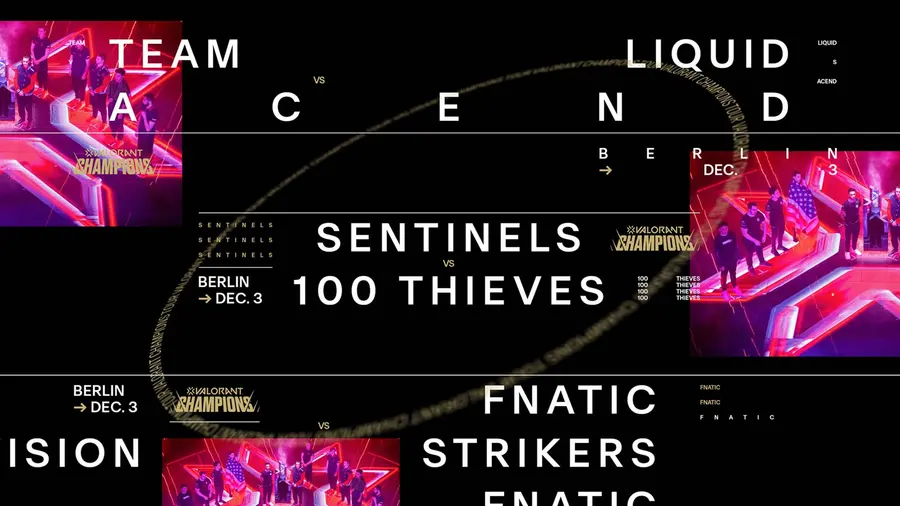
Riot: Valorant First Strike North America Thumbnail
Game cinematics sit between film and interface, and that tension is what makes them worth studying. Filed here: opening intros, in-engine cutscenes, and the HUD motion that has to inform without stealing focus. These frames carry a constraint film never has, because a player can look anywhere. Hierarchy does more work, and the motion has to survive a camera the designer doesn't fully control. Destiny's opening and the Arkham Knight title work both show how far mood travels when the palette stays disciplined. Expect breakdowns of lighting, atmospheric depth, and the restraint that keeps a sci-fi frame from collapsing into greeble soup. If you design product UI, the diegetic material here is the closest thing to a masterclass in ambient information. Start with the frames that hold a single colour temperature across an entire sequence, then compare them with the ones that don't. The gap is instructive. A cinematic can spend millions on simulation and still read as cheap when the grade wanders, and the reverse holds too: disciplined light makes modest geometry feel expensive.
17 works in this game cinematics motion graphics library