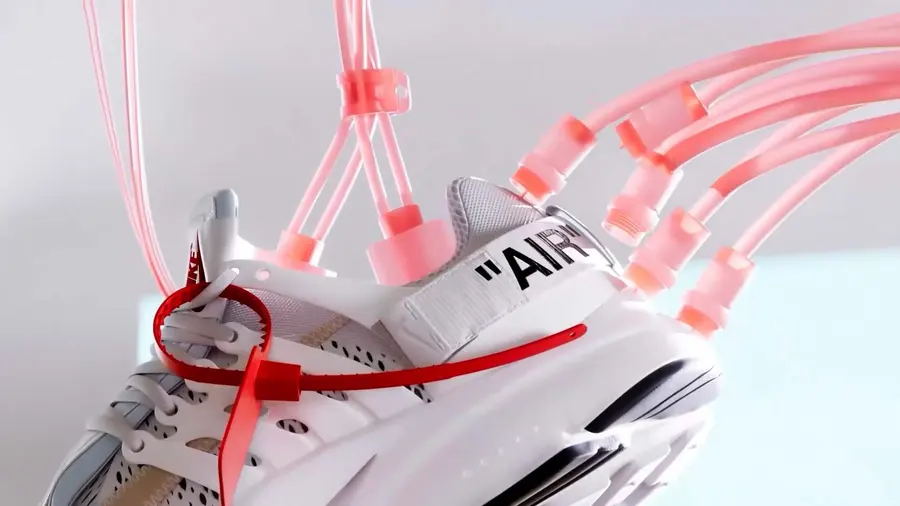
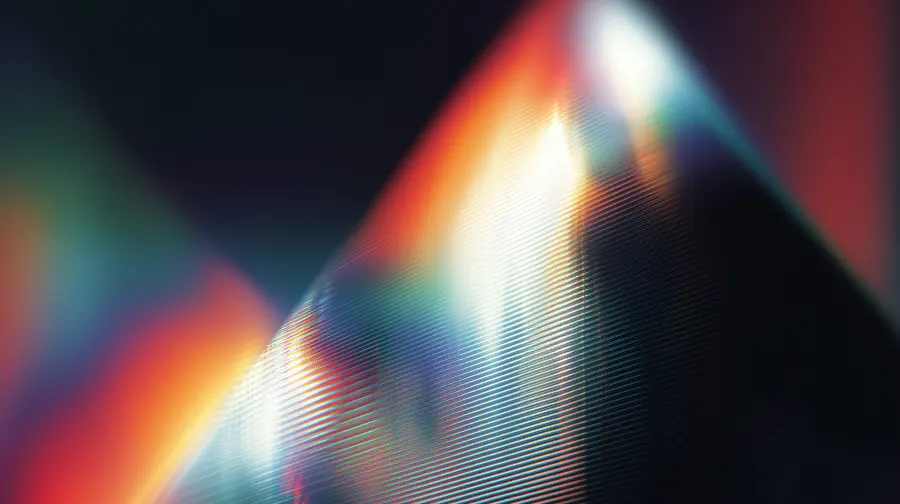
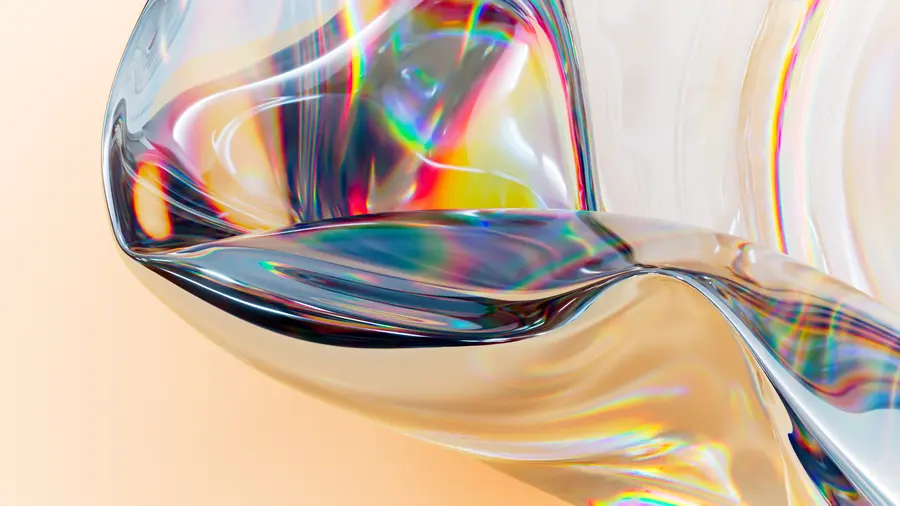
A macro liquid simulation is a strange thing to build a brand spot around, yet Combeaud makes it feel inevitable. The tooling tells the story. Houdini handles the fluid solve, Cinema 4D carries the product and staging, and After Effects welds it all together with atmospheric depth. Each app does the one thing it's best at, and the seams disappear in the grade.
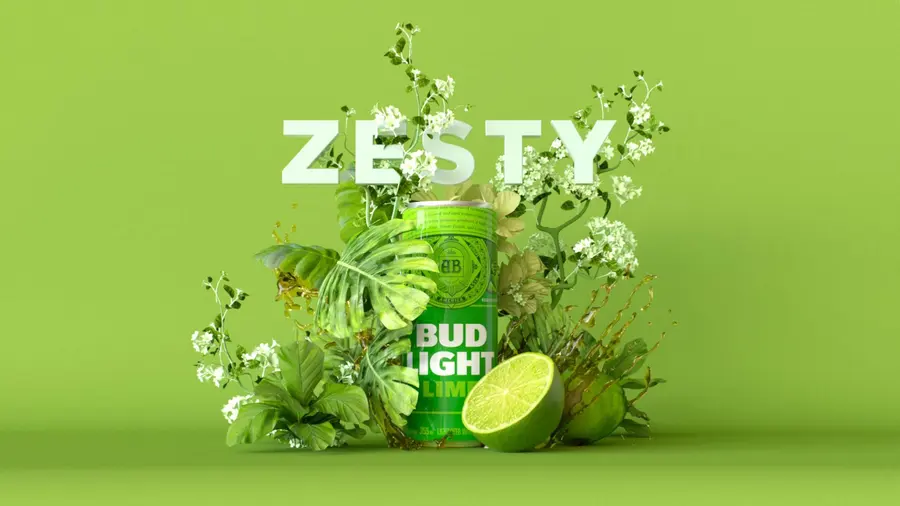
Liquid work is where beginners overreach. A Houdini sim can render every droplet in crisp detail, but a full frame of equally sharp splash reads as chaos. The discipline here is knowing what to soften. Atmospheric perspective pulls the background liquid into haze so the hero product and the kinetic type stay readable against it.
That type integration is the part I'd study closely. Letterforms have to survive over a moving, refractive surface without a drop shadow doing all the heavy lifting. Combeaud anchors them on a stable value band. Ask yourself while looking: where does your eye land first, and why? The answer is a deliberate hierarchy, not luck.
Production notes
This frame comes from a broadcast package, where graphics have to stay legible in motion across a whole network identity. Guillaume Combeaud produced it in 2018, and the styleframe records the look decisions made before a single second of animation existed.
It was built using Houdini for procedural simulation and effects, Cinema 4D for building the 3D scene, and After Effects for compositing and animation timing. That toolset is what gives the motion design its specific weight, from how light falls to how the type settles into the frame.
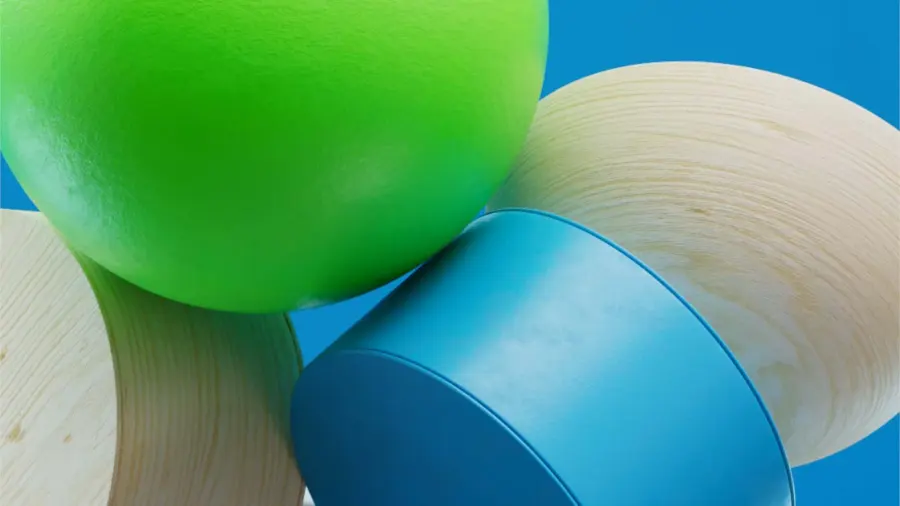
Guillaume appears 4 times across the Art of Styleframe library, so the related frames below trace the through-line in this designer's craft rather than showing one isolated piece.
Look at how the package holds one identity while each element still earns its own moment on screen.